

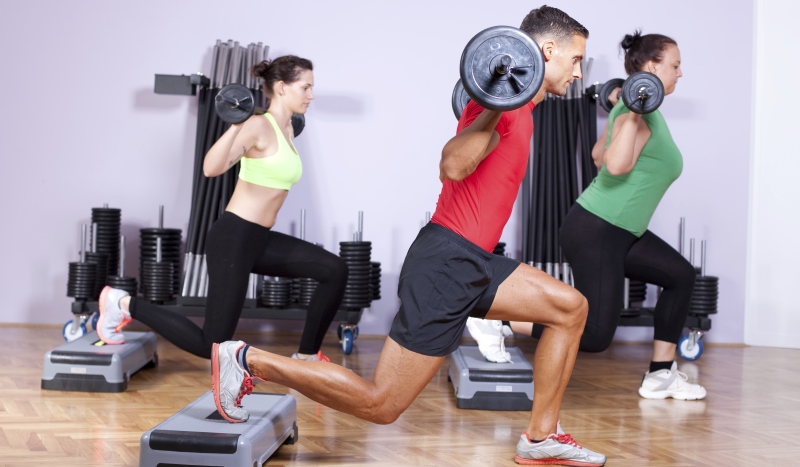
Nutrition and exercise are inseparable. You can attend every BodyPump session on the timetable with perfect consistency and still undermine your results if what you eat around your training does not support what you are asking your body to do. In Singapore, this conversation gets complicated quickly, because most nutrition advice is written for Western food environments with meal timing patterns, food availability, and cultural eating habits that do not map neatly onto how Singaporeans actually eat and live.
This article is built entirely around the Singapore food landscape. It addresses what to eat before and after a bodypump class using real, accessible options available from hawker centres, kopitiams, supermarkets, and food delivery platforms that are part of everyday Singaporean life.
Why Pre and Post Workout Nutrition Matters for BodyPump Specifically
BodyPump is a high-repetition resistance training format that depletes muscle glycogen, creates muscle protein breakdown, and elevates metabolic demand across a full hour of structured exercise. Compared to a gentle yoga class or a casual walk, the nutritional demands of BodyPump are meaningful and specific.
Before the class, your body needs a sufficient supply of glycogen, which is the glucose stored in muscle and liver that fuels sustained muscular effort. If glycogen stores are low going into the session, performance declines noticeably, particularly in the later tracks when cumulative fatigue sets in. You may feel lightheaded, your muscles may fatigue faster than expected, and the quality of your movement deteriorates.
After the class, the body enters an anabolic window, a period of heightened muscle protein synthesis and glycogen resynthesis, during which nutritional inputs have an outsized impact on recovery and adaptation. Providing the right nutrients in the right amounts during this window supports muscle repair, reduces next-day soreness, and prepares the body to perform well in the next session.
Pre-Class Nutrition: Timing and What to Choose
The timing of your pre-class meal matters as much as its composition. A large meal consumed too close to a BodyPump session will sit heavily in the digestive system, diverting blood flow to digestion rather than working muscles and potentially causing nausea during the class. The general guidance is to eat a moderate, balanced meal two to three hours before class, or a smaller snack 60 to 90 minutes before if a full meal is not practical.
For Singaporeans attending morning classes before work, the meal timing challenge is real. A 7am class does not comfortably accommodate a 5am full breakfast for most people. In this case, a small, easily digestible snack 45 to 60 minutes before class is the practical solution.
Strong pre-class options from the Singapore food environment include the following. A bowl of plain congee with a soft-boiled egg from a kopitiam provides digestible carbohydrate and moderate protein without the heaviness of a full rice meal. Two slices of wholemeal kaya toast with a soft-boiled egg is a classic Singapore breakfast that provides carbohydrate from the bread, a small amount of fat from the kaya and butter, and protein from the egg, all in a format that digests reasonably quickly. A small bowl of ban mian or mee sua soup without the deep-fried ingredients provides carbohydrate and protein in a light, warm format suitable for morning training.
For afternoon or evening classes, the pre-class meal window is more forgiving. A chicken rice meal with a modest portion of rice and the lean breast meat rather than fatty skin provides a good balance of carbohydrate and protein. Yong tau foo with a variety of protein-based items, tofu, fish paste items, and a carbohydrate base like rice noodles or beehoon, is an excellent balanced pre-class meal that is available at virtually every hawker centre in Singapore.
Pre-Class Foods to Avoid
Certain foods common in Singapore’s food landscape are poorly suited to the pre-class period. Char kway teow and nasi lemak are high in fat content, and fat slows gastric emptying significantly, meaning the food sits in the stomach during the workout and increases the likelihood of discomfort. Satay with peanut sauce, while delicious and protein-containing, shares the same issue. Roti prata, particularly the egg and onion varieties served with curry, is similarly fat-heavy and tends to sit heavily.
Very high-fibre foods like raw vegetables, whole intact legumes, and certain fruits like durian and jackfruit can cause significant digestive discomfort during a high-intensity class. Save these for the post-class meal when the body is in a more settled digestive state.
Post-Class Nutrition: The Recovery Window
The 30 to 60 minutes following a BodyPump class represent the period of peak anabolic sensitivity. During this window, muscle cells are actively seeking glucose to replenish glycogen stores and amino acids to repair and rebuild muscle protein damaged during the training session. Consuming protein and carbohydrate together during this window has been consistently shown to accelerate recovery compared to either nutrient alone or delaying the post-class meal significantly.
The protein target for post-BodyPump recovery is approximately 20 to 30 grams of high-quality protein, which provides sufficient leucine and essential amino acids to maximally stimulate muscle protein synthesis. Carbohydrates in the range of 30 to 60 grams support glycogen replenishment and create an insulin environment that enhances amino acid uptake into muscle tissue.
Singapore hawker and kopitiam options that achieve this recovery nutrition profile well include the following. Economy rice with a portion of steamed fish or chicken, a tofu dish, and a vegetable provides an excellent balanced recovery meal at a very accessible price point. Yong tau foo with a protein-focused selection of items and a carbohydrate base delivers recovery nutrition in a lighter format suitable for those who do not feel hungry enough for a full rice meal immediately after training.
Ban mian with pork mince, an egg, and anchovies is a particularly good post-workout option. The minced pork and egg provide readily digestible protein, the noodle base provides carbohydrate for glycogen replenishment, and the broth format aids rehydration. Thunder tea rice, available at several hawker centres across Singapore, is an underrated recovery meal that combines brown rice, tofu, tempeh, and various vegetables with a green tea broth, providing balanced macronutrients and anti-inflammatory phytonutrients.
Protein Supplement Options in the Singapore Context
Whole food sources are always the preferred route for post-workout nutrition, but the reality of Singapore schedules means that there are occasions when a whole food meal immediately after class is not practical. In these situations, a protein supplement can bridge the gap until a proper meal is available.
Whey protein powder is widely available in Singapore through supplement retailers, supermarkets, and online platforms. A standard scoop in water or low-fat milk provides 20 to 25 grams of high-quality protein in a format that is absorbed rapidly, making it a suitable immediate post-class option when a meal will follow within an hour or two.
Plant-based alternatives using pea or soy protein are also increasingly available in Singapore and are suitable for vegetarians and those with dairy sensitivities. Soy protein in particular provides a complete amino acid profile comparable to animal protein sources.
Hydration: A Singapore-Specific Consideration
Singapore’s heat and humidity mean that sweat losses during a BodyPump class, even in an air-conditioned studio, are higher than they would be in a cooler climate. Arriving at class already mildly dehydrated, which is surprisingly common among people who do not drink consistently through the workday, meaningfully impairs performance and recovery.
A practical hydration approach for Singaporean BodyPump participants is to aim for consistent fluid intake throughout the day rather than trying to compensate with large volumes immediately before class. Plain water remains the best hydration tool. Sugarcane juice and coconut water, both widely available in Singapore, can serve as natural electrolyte replacements post-class, particularly after hot sessions or classes during which sweating was especially heavy.
True Fitness Singapore facilities generally provide water coolers accessible from the studio, but bringing a personal water bottle to class ensures you can hydrate at your own pace throughout the session.
FAQ
Q: Can I eat immediately after a BodyPump class or should I wait? A: Eating within 30 to 60 minutes after class is beneficial for recovery, particularly for muscle protein synthesis and glycogen replenishment. There is no need to wait. If you cannot manage a full meal immediately, a protein shake or small protein-and-carbohydrate snack can hold you over until a proper meal is practical.
Q: Is coffee before a BodyPump class a good idea? A: Caffeine is a well-researched ergogenic aid that improves strength, endurance, and perceived effort during exercise. A kopi-o or black coffee 45 to 60 minutes before class is a reasonable strategy that aligns well with Singapore coffee culture. Avoid adding excessive sugar, and be mindful that some people experience increased heart rate or jitteriness from pre-exercise caffeine that can interfere with performance.
Q: Should I eat differently on BodyPump days compared to rest days? A: Yes, mildly. Training days benefit from slightly higher carbohydrate intake to fuel the session and replenish glycogen afterward. Rest days can shift slightly toward higher protein and fat with lower carbohydrate, as glycogen demand is lower. These differences do not need to be dramatic, particularly for recreational participants attending two to three classes per week.
Q: How much protein do I need daily if I am attending BodyPump three times per week? A: Research supports a daily protein intake of 1.4 to 2.0 grams per kilogram of body weight for people engaged in regular resistance training. For a 65-kilogram individual, this means 91 to 130 grams of protein per day spread across meals. Singapore’s food culture, with its emphasis on protein-containing dishes like fish, tofu, chicken, and eggs, makes reaching this target achievable through whole food sources without necessarily relying on supplements.
Q: What should I eat if I have a BodyPump class during my lunch break and cannot eat a proper meal beforehand? A: A snack consumed 30 to 45 minutes before class works well in this situation. A small cup of overnight oats prepared in the morning, a boiled egg with a small banana, or a packet of unsweetened Greek yoghurt with some crackers are practical options that can be prepared at home and eaten at the office before heading to class.