

For generations, conventional medicine operated under a management paradigm. When human tissue sustained structural damage from trauma, aging, or degenerative disease, clinicians focused primarily on managing symptoms, prescribing pain medication, or replacing entire joints with synthetic materials. While these interventions offer immediate relief, they often fail to fix the underlying biological degradation.
Regenerative medicine marks a profound shift away from symptom suppression toward cellular restoration. Instead of introducing artificial components or lifelong pharmaceuticals, this rapidly evolving field harnesses the body’s native biological mechanisms to heal, rebuild, and replace damaged cells and tissues. At the absolute forefront of this medical revolution are stem cell therapies and platelet rich plasma treatments. These two innovative modalities are completely transforming clinical protocols across orthopedics, neurology, cardiology, and dermatology.
Understanding Stem Cell Therapy: The Cellular Master Builders
To appreciate the vast potential of stem cell therapy, it helps to understand how these unique cells operate. Most cells within the human body are specialized, meaning they possess a fixed structure and perform one specific task. A cardiac muscle cell cannot become a skin cell, and a mature liver cell cannot transform into a neuron.
Stem cells are entirely different because they are unspecialized, blank-slate cells that possess two extraordinary traits: self-renewal, which allows them to divide and replicate indefinitely, and potency, which is the unique ability to differentiate into completely functional, specialized cell types.
The Major Categories of Stem Cells
Scientists and medical professionals work with several distinct classes of stem cells, each offering unique clinical advantages and specific biological capabilities:
-
Embryonic Stem Cells: These pluripotent cells can differentiate into absolutely any cell type within the human body. While they provide an invaluable tool for laboratory research, their clinical application remains limited by complex ethical considerations and logistical hurdles regarding immune rejection.
-
Adult or Somatic Stem Cells: These multipotent cells reside permanently inside mature human tissues like bone marrow, adipose fat tissue, and dental pulp. Their primary biological job is to repair and replace worn-out cells within their specific tissue of origin.
-
Mesenchymal Stem Cells: A highly versatile subset of adult stem cells found abundantly in bone marrow and fat. These cells can differentiate into bone, cartilage, muscle, and fat cells, making them the premier choice for modern orthopedic treatments.
-
Induced Pluripotent Stem Cells: Mature adult cells, such as ordinary skin cells, that scientists genetically reprogram back into an embryonic-like state. This advanced technique circumvents ethical concerns and allows for the creation of patient-specific cellular therapies that carry zero risk of tissue rejection.
Mechanisms of Action in Cellular Healing
When a clinician injects stem cells into a damaged joint, muscle, or organ, the cells do not simply turn into new tissue right away. Instead, they function largely as an active signaling hub. Stem cells release a potent mixture of proteins, growth factors, and cellular messages called exosomes. This specialized secretion process suppresses local inflammation, prevents premature cell death, and recruits local resident stem cells to the site to actively accelerate the repair of damaged tissue.
Platelet Rich Plasma Therapy: Harnessing the Blood’s Natural Repair Kit
While stem cell therapy introduces highly adaptable cellular machinery, platelet rich plasma therapy utilizes a highly concentrated dose of the body’s own chemical messengers to jumpstart tissue repair.
Blood consists primarily of a liquid called plasma, which carries red blood cells, white blood cells, and platelets. Platelets are widely known for their vital role in clotting blood after an injury. However, platelets also contain hundreds of highly active proteins called growth factors, which are absolutely essential for healing wounds and regenerating tissue.
The Autologous Preparation Process
The entire preparation process for a standard platelet rich plasma treatment is autologous, meaning it relies completely on the patient’s own biological material. This ensures that the treatment is natural and carries virtually no risk of transmissible infection or allergic rejection. The procedure follows a precise clinical sequence:
-
Blood Draw: A medical professional draws a small volume of blood from the patient’s arm, similar to a standard lab test.
-
Centrifugation: The blood sample is placed into a specialized machine called a centrifuge, which spins at high speeds for several minutes to separate the blood components based on their density.
-
Isolation: The spinning process separates the blood into distinct layers, isolating the red blood cells from the platelet-poor plasma and the highly coveted platelet rich layer, often called the buffy coat.
-
Injection: The clinician carefully extracts this highly concentrated platelet layer and injects it directly into the injured or degenerated tissue under the guidance of precise ultrasound or fluoroscopic imaging.
The Cascade of Accelerated Healing
Once injected into the target site, the concentrated platelets break open and release a massive wave of bioactive growth factors. These proteins immediately bind to the surfaces of local cells, triggering an intense healing cascade. This process stimulates new blood vessel formation to improve local circulation, accelerates the production of fresh collagen, and draws circulating stem cells directly to the injury site to rebuild structural integrity.
Synergistic Applications and the Horizons of Healthcare
While stem cell and platelet rich plasma therapies are highly effective as individual treatments, the future of regenerative medicine lies in combining these modalities to create powerful synergistic outcomes. Platelet rich plasma can act as a natural, nutrient-rich soil that provides the necessary growth factors to feed and activate injected stem cells, which function as the architectural seeds for building new tissue.
Current Clinical Successes
The clinical applications for these regenerative treatments are expanding rapidly, providing exceptional outcomes across several key fields:
-
Orthopedics and Sports Medicine: These treatments are frequently utilized to manage chronic knee osteoarthritis, repair partial rotator cuff tears, and heal stubborn tendon issues like tennis elbow or Achilles tendinitis. Many elite athletes rely heavily on these therapies to safely return to peak performance without undergoing invasive surgical procedures.
-
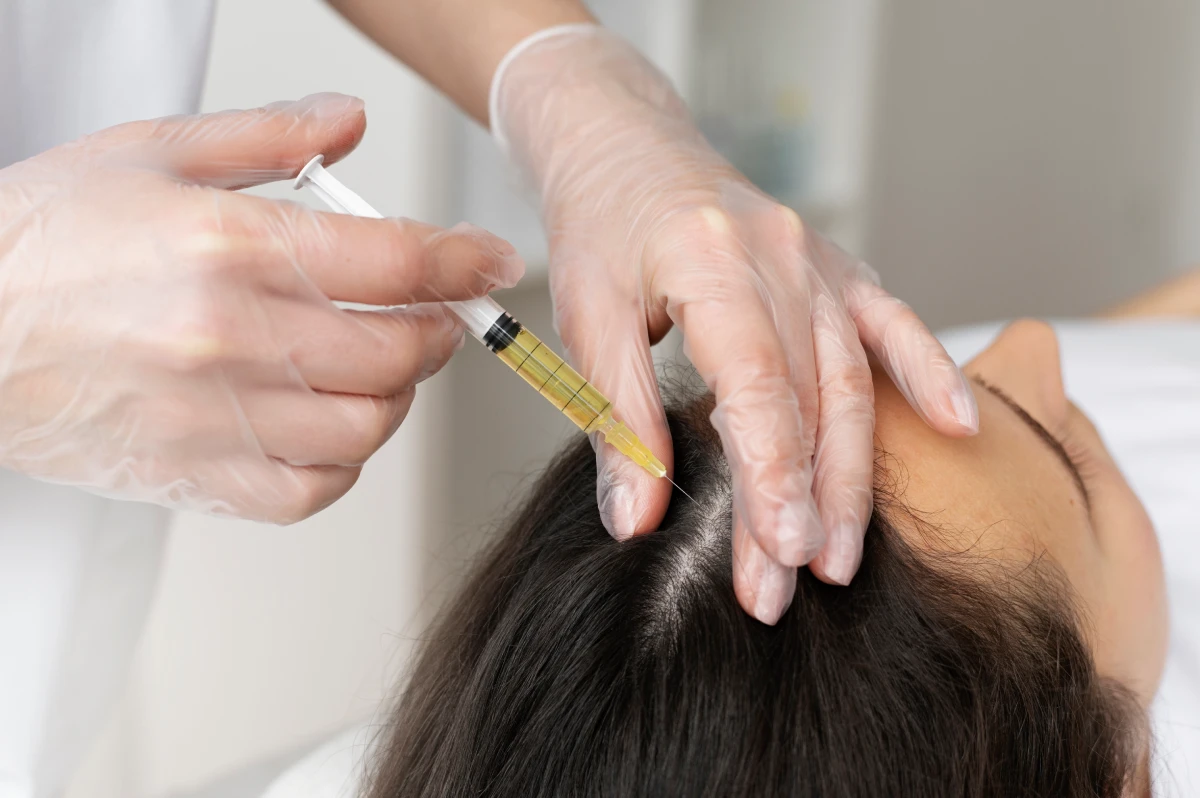
Dermatology and Aesthetics: Practitioners utilize platelet rich plasma to stimulate dormant hair follicles to treat male and female pattern baldness. In skincare, it is often paired with microneedling to minimize deep acne scars and accelerate facial tissue rejuvenation.
-
Wound Care Management: Chronic, non-healing wounds, such as diabetic foot ulcers, respond remarkably well to topical regenerative applications, which help re-establish healthy blood flow and speed up skin closure.
Emerging Frontiers
Looking further ahead, researchers are studying how to apply these cellular techniques to treat highly complex conditions. Active clinical trials are investigating the use of specialized stem cells to repair damaged heart tissue following a severe myocardial infarction.
Furthermore, neuroscientists are actively exploring ways to use induced pluripotent stem cells to replace lost neurons in patients suffering from neurodegenerative conditions like Parkinson’s disease and spinal cord injuries. As bioengineering continues to advance, the combination of stem cells with 3D-bioprinted organ scaffolds could eventually eliminate the need for traditional organ donor waiting lists.
Frequently Asked Questions
What is the primary difference in how stem cells and platelet rich plasma function?
The main difference lies in their biological composition and capabilities. Stem cells are living, adaptable cells that can duplicate themselves and potentially transform into completely new types of physical tissue. Platelet rich plasma contains no stem cells; instead, it is a concentrated mixture of liquid plasma packed with specialized signaling proteins and growth factors that stimulate your body’s existing cells to heal an injury more efficiently.
Is the extraction of adult stem cells a painful procedure?
The discomfort experienced during a stem cell extraction depends entirely on the source tissue. When harvesting stem cells from adipose fat tissue via a minor liposuction procedure, patients generally report mild soreness similar to an intense workout. Bone marrow aspirations, which are usually taken from the back of the hip bone, can cause a brief period of deep pressure and post-procedure aching, though clinicians routinely utilize localized numbing agents and conscious sedation to maximize patient comfort.
How long does it typically take to see measurable results after a regenerative injection?
Unlike corticosteroid injections, which offer immediate pain relief by temporarily masking inflammation, regenerative therapies require time to rebuild physical tissue. Patients often experience an initial increase in mild swelling and soreness for the first few days due to the induced healing response. Measurable improvements in pain relief and physical mobility typically begin to appear between four to six weeks following the injection, with structural tissue repair continuing to progress for several months.
Are these regenerative therapies covered by standard medical insurance policies?
Currently, most private insurance providers and government healthcare programs classify stem cell and platelet rich plasma injections as elective or experimental procedures, meaning they are generally not covered. While peer-reviewed clinical evidence supporting their effectiveness continues to grow rapidly, widespread insurance coverage will require additional large-scale, long-term regulatory clearance data.
Can a patient receive stem cells harvested from a different person?
Yes, this is biologically possible and refers to an allogeneic transplant. In many orthopedic and aesthetic settings, clinicians utilize sterile, screened stem cells harvested from donated umbilical cord tissue or amniotic fluid following healthy, full-term births. Because these birth-tissue-derived cells are immunologically privileged, they can be safely introduced into a patient’s body without triggering a hostile immune rejection response.
What lifestyle factors can directly influence the quality of my own autologous treatments?
Because autologous procedures rely completely on your body’s cellular health, your daily habits directly impact the therapeutic quality of the harvest. Chronic smoking, heavy alcohol consumption, high systemic stress, poor sleep patterns, and a diet loaded with ultra-processed sugars can significantly degrade the baseline function of your stem cells and platelets. Committing to a nutrient-dense diet, staying well-hydrated, and avoiding inflammatory substances for several weeks prior to your procedure can noticeably optimize your clinical outcomes.