

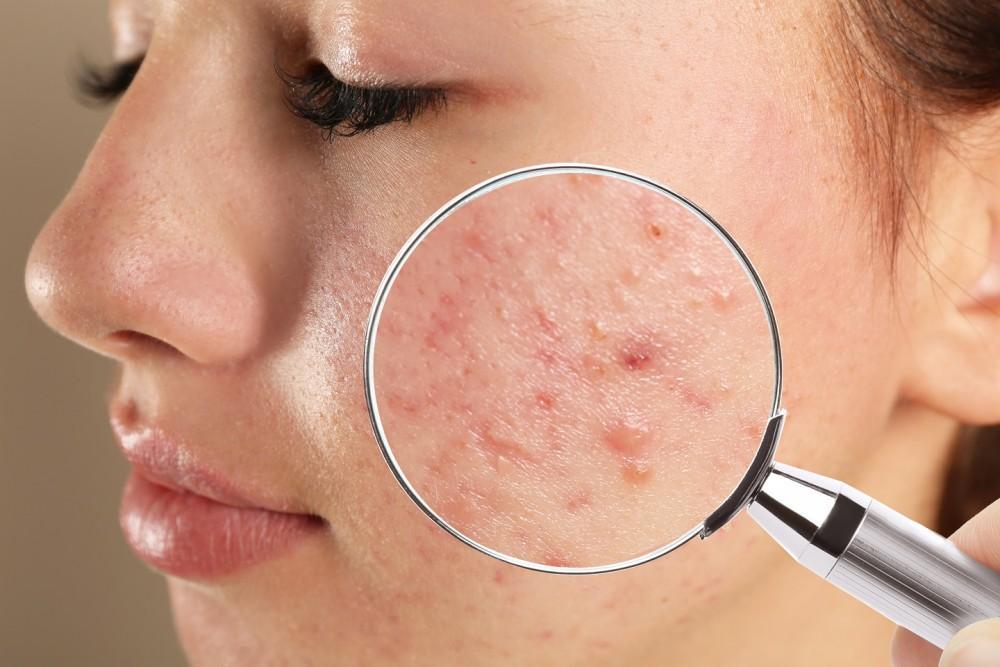
For many people, graduating from high school comes with the unspoken expectation that teenage skin issues will be left in the past. It can feel like a cruel biological joke to find yourself balancing a career, managing a mortgage, and scheduling dental appointments while simultaneously shopping for pimple creams. Yet, adult acne is an incredibly common dermatological condition that affects millions of people well into their twenties, thirties, forty, and fifties.
Dealing with blemishes as an adult presents a unique set of challenges. Unlike teenage skin, which is generally resilient, elastic, and oily, adult skin is thinner, more prone to dryness, and slower to heal. This means the aggressive, drying pimple treatments you used during your youth can cause severe irritation, flaking, and premature aging today.
Understanding the root causes of adult breakouts is the first step toward reclaiming clear, healthy skin without compromising your overall skin barrier.
The Biological Shift: Teen Acne versus Adult Acne
To effectively treat adult acne, you must understand that it is fundamentally different from the breakouts experienced during puberty. The clinical presentation, location, and underlying triggers evolve significantly as the body ages.
Distribution Patterns on the Face
Teenage acne typically appears in the T-zone, which encompasses the forehead, nose, and central chin. This area contains a high concentration of active sebaceous (oil) glands that go into overdrive during puberty.
In contrast, adult acne predominantly targets the U-zone. This region includes the lower jawline, the perimeter of the chin, and the upper neck. Breakouts here are often deeper, manifesting as painful, tender nodules rather than surface-level whiteheads.
Lesion Characteristics
Teenagers frequently deal with superficial blackheads, small pustules, and whiteheads caused by excess sebum and dead skin buildup. Adults are much more susceptible to inflammatory, cystic acne.
These deep-seated, painful bumps form beneath the surface of the skin and rarely come to a head. Because adult cell turnover is slower, these lesions can linger for weeks and are far more likely to leave behind post-inflammatory hyperpigmentation (dark spots) or permanent scarring.
Why You Are Still Breaking Out: The Primary Triggers
Adult acne is rarely the result of simply forgetting to wash your face. It is a complex, multifactorial condition driven by internal systemic processes and external environmental influences.
Fluctuating Hormones
Hormones are the single biggest driver of adult acne, especially in women. Fluctuations in estrogen and progesterone, which occur during menstrual cycles, pregnancy, perimenopause, or after stopping oral contraceptives, can leave male hormones like testosterone and dehydroepiandrosterone (androgens) temporarily unchecked.
When androgens dominate, they signal the sebaceous glands to produce thicker, stickier oil, which directly clogs pores.
Chronic Psychological Stress
When you experience ongoing stress from work, finances, or family life, your adrenal glands release a hormone called cortisol. Along with putting your body on high alert, cortisol triggers a simultaneous release of androgens from the sebaceous glands.
This means that a demanding week at the office can quite literally cause a physical breakout on your jawline a few days later.
Chronic Low-Grade Inflammation
Modern dermatological science views acne as a primary inflammatory disease. Environmental pollution, poor sleep quality, and diets high in refined carbohydrates and sugars can elevate systemic inflammation throughout the body.
This inflammation oxidizes the natural oils on your skin, transforming normal sebum into a highly irritating substance that triggers the immune system to create a pimple.
The Use of Incompatible Skincare Products
As adults try to combat the early signs of aging, they often introduce rich, heavy anti-wrinkle creams, facial oils, and thick makeup formulations into their routines. Many of these products contain comedogenic (pore-clogging) ingredients.
If your skin is inherently prone to congestion, these heavy emollient barriers trap dead skin cells and bacteria inside the follicle, inducing a cosmetic form of acne known as acne cosmestica.
How to Treat Adult Acne Effectively
Treating adult skin requires a gentle, strategic touch. The goal is to clear the acne while maintaining optimal hydration and supporting the skin barrier.
-
Salicylic Acid (BHA): This oil-soluble acid can penetrate deep inside the lipid-rich pore walls to dissolve the sticky bonds holding dead skin cells together. It acts as a chemical exfoliant, clearing congestion from the inside out while reducing redness.
-
Topical Retinoids: Derivatives of Vitamin A, such as over-the-counter retinol, retinaldehyde, or prescription tretinoin, are highly beneficial for adults. They accelerate cellular turnover, ensuring dead skin cells are shed before they can clog pores, while simultaneously stimulating collagen production to smooth out fine lines and acne scars.
-
Benzoyl Peroxide: This compound introduces oxygen into the pores, which instantly kills anaerobic Cutibacterium acnes bacteria. For adult skin, it should be used in lower concentrations, such as two and a half percent, and preferably in a wash-off formulation to minimize dry, flaky side effects.
-
Azelaic Acid: A multi-functional ingredient that possesses potent antimicrobial and anti-inflammatory properties. It is exceptionally effective at calming the redness of active blemishes and blocking the enzyme tyrosine, which prevents the dark marks that typically remain after a blemish heals.
Rebuilding a Balanced Skincare Routine
A common mistake adults make is using multiple drying acne treatments simultaneously. A well-designed routine should balance active acne-fighting ingredients with hydrating, barrier-supporting components.
Cleanse with a mild, non-foaming hydrating cleanser morning and night. Apply your targeted acne treatment to clean, dry skin. Follow up with a non-comedogenic moisturizer containing ceramides, hyaluronic acid, or niacinamide to lock in moisture and soothe irritation. Finally, never skip a broad-spectrum sunscreen during the day, as UV exposure darkens acne scars and worsens inflammation.
Advanced Dermatological and Medical Interventions
When topical over-the-counter skincare fails to yield results after eight to twelve weeks, it may be time to consult a board-certified dermatologist for systemic or professional treatments.
Oral Hormonal Medications
For women dealing with severe jawline and cystic acne, a dermatologist may prescribe spironolactone. Originally a blood pressure medication, spironolactone acts as an androgen blocker at low doses, preventing male hormones from overstimulating the oil glands.
Combined oral contraceptive pills can also be used to stabilize hormonal fluctuations and clear the skin.
Professional Chemical Peels and Lasers
In-office dermatological treatments can dramatically speed up the clearing process. Professional-strength glycolic, salicylic, or trichloroacetic acid peels deeply exfoliate the skin and reduce hyperpigmentation.
Additionally, certain light and laser therapies can target overactive sebaceous glands or reduce the vascular redness associated with inflammatory acne lesions.
Frequently Asked Questions
Why does my acne seem to worsen right before my menstrual cycle begins?
During the week leading up to your period, levels of estrogen and progesterone drop significantly. This allows your baseline level of testosterone to have a stronger impact on your sebaceous glands, resulting in increased sebum production and a predictable pattern of deep, painful jawline blemishes right before your cycle starts.
Can changing my pillowcase more often really help reduce adult breakouts?
Yes, regular replacement of your pillowcase can support your clearance efforts. Over several days, pillowcases accumulate a buildup of dead skin cells, natural hair oils, residual hair products, and sweat. Resting your face against this concentrated mixture for eight hours a night can introduce impurities back onto your skin, irritating your pores.
Is there a direct link between dairy consumption and adult acne?
Some clinical studies suggest a correlation between dairy intake, particularly skim milk, and increased acne severity. Conventional milk contains natural growth hormones and proteins like whey and casein, which can elevate insulin-like growth factor one in humans. This hormone spike can trigger systemic inflammation and stimulate excess sebum production.
How can I distinguish between adult acne and rosacea?
While both conditions cause facial redness and bumps, they are pathologically distinct. Acne includes comedones like blackheads and whiteheads, and can appear anywhere on the lower face. Papulopustular rosacea typically concentrates in the center of the face, presents with tiny broken blood vessels called telangiectasias, and lacks blackheads entirely.
Does washing my face multiple times a day help clear up cystic acne faster?
No, overwashing your face will likely worsen the condition. Cystic acne forms deep beneath the surface of the skin and cannot be washed away. Washing your face more than twice a day strips away the protective lipid barrier, causing your skin to become dry, irritated, and more susceptible to bacterial infection and compensatory oil production.
What is purging, and how do I know if a new skincare product is causing it?
Purging occurs when an active ingredient like a retinoid or chemical exfoliant accelerates skin cell turnover. This causes microcomedones that were already forming under the skin to rise to the surface much faster, resulting in a temporary spike in breakouts. Purging occurs strictly in areas where you normally get acne and should subside within four to six weeks.
Why do adults get acne even if their skin feels dry and flaky?
Dry skin can actually contribute to acne formation. When your skin lacks sufficient moisture, the outer layer becomes brittle, and dead skin cells do not shed efficiently. These dry flakes can accumulate inside the pores, trapping whatever minimal sebum your skin produces beneath the surface, leading to deep, obstructive blemishes.